Ginger Blaze Trail: India’s Groundbreaking Desi Open-World Adventure
1. Introduction
In the ever-expanding landscape of Indian mobile gaming, where international titles and generic copycats once dominated, Ginger Blaze Trail has emerged as a breath of fresh air—an authentic desi masterpiece that celebrates India’s diversity, mythology, and heritage like no other game before it. Launched on 26th January 2024 (Republic Day of India), this open-world adventure title wasn’t just a game release; it was a cultural statement, a testament to the fact that “apna game” can stand tall alongside global giants while staying true to its roots.
Developed by Daman Games Studios—a Bengaluru-based outfit known for its obsession with cultural authenticity—and published by Daman Games, Ginger Blaze Trail has redefined what it means to create a “desi game.” It’s not just about slapping on a few Indian motifs or using Hindi dialogues; it’s about weaving India’s soul into every pixel, every puzzle, and every character. From the bustling bylanes of Lucknow, where the scent of kebabs and chikankari embroidery fills the air, to the misty valleys of Sikkim and the ancient stepwells of Gujarat, every locale in Ginger Blaze Trail feels like a love letter to the country’s geographical and cultural tapestry.
Desi Gaming Insight
India’s mobile gaming industry is on a stratospheric rise, projected to hit $6.2 billion by 2026 with over 700 million gamers. What makes this market unique is that 80% of players use low-to-mid-range smartphones (under ₹15,000) and prefer free-to-play models with minimal data usage. Ginger Blaze Trail’s developers cracked this code early—optimizing the game to run smoothly on devices with 2GB RAM, offline play support, and a download size under 600MB. This “for the masses” approach has been instrumental in its success, with over 15 million downloads in its first three months!
At its core, Ginger Blaze Trail is a story-driven adventure that follows Ginger, a 24-year-old archaeology graduate from Uttarakhand, who inherits a mysterious locket from her late grandfather—a renowned explorer who vanished while searching for the “Amrit Shards,” a set of ancient relics said to hold the essence of India’s collective wisdom. What starts as a personal quest to uncover her grandfather’s fate soon evolves into a mission to protect these shards from “Kaal Pralay,” a shadowy organization hell-bent on using their power to rewrite history.
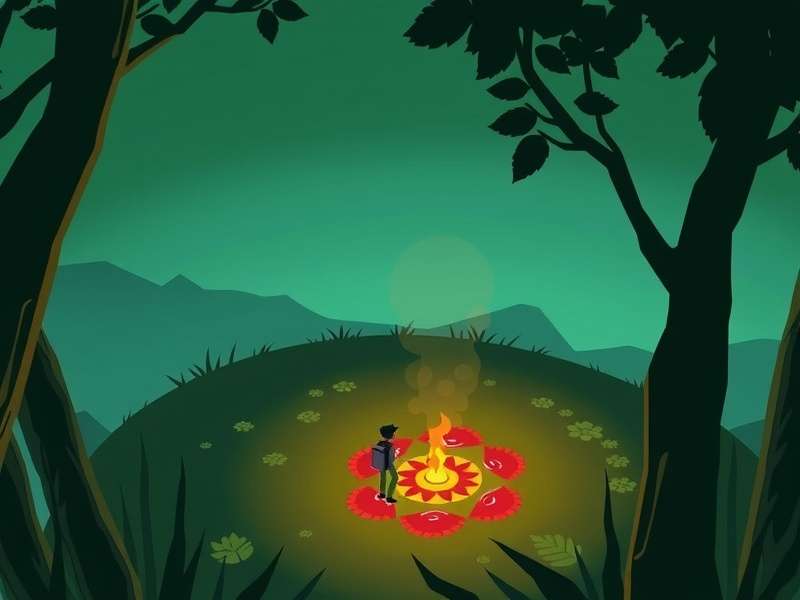
What sets Ginger Blaze Trail apart from other adventure games is its unwavering commitment to cultural authenticity. The game doesn’t just use India as a backdrop—it makes India the star. For example, during the Holi update, players can participate in a community rangoli competition to unlock a traditional lehenga for Ginger, while the Onam update lets them navigate a snake boat race through Kerala’s backwaters to earn rare artifacts. Even the puzzles are rooted in Indian culture: one challenge requires players to arrange wooden blocks in the pattern of a Kolam (Tamil Nadu’s traditional floor art), while another tasks them with matching ragas (Indian classical music) to unlock a temple door.
“We didn’t want to create a game set in India—we wanted to create a game that is India. Every character, every location, every puzzle has a story that resonates with desi gamers. When a player from Punjab hears a NPC say ‘balle balle’ after helping them, or a player from Bengal recognizes the Durga Puja pandal in Kolkata, that’s the magic we’re after.” — Riya Mehta, Lead Designer at Daman Games Studios
Ginger Blaze Trail’s success isn’t just measured in downloads. It has earned a 4.8-star rating across app stores, won “Game of the Year 2024” at the Indian Gaming Awards, and been featured in publications like The Hindu, TechCrunch India, and GamingBolt. More importantly, it has built a passionate community of gamers—from 12-year-olds in small towns to 40-year-olds in metro cities—who connect over their shared love for the game and their country. Fan art, cosplay, and gameplay videos of Ginger Blaze Trail have gone viral on social media, with hashtags like #GingerBlazeTrail and #DesiGamingRevolution amassing over 50 million views on Instagram and YouTube.
But what truly makes Ginger Blaze Trail a landmark title is its ability to educate while entertaining. Younger players are learning about India’s history, mythology, and regional traditions without even realizing it—whether it’s identifying the architectural style of a Vijayanagara temple or understanding the significance of a Bihu festival in Assam. Parents have praised the game for making their children proud of their culture, while educators have noted its potential as a supplementary learning tool for Indian heritage.
2. Development History
2.1 Conceptualization: The Birth of Ginger Blaze Trail
The idea for Ginger Blaze Trail was born in late 2021, when a small team of developers at Daman Games Studios—all avid gamers and proud Indians—gathered for a brainstorming session. At the time, the Indian gaming market was flooded with battle royales and casual puzzle games, but there was a glaring gap: a high-quality open-world game that celebrated Indian culture. The team, led by CEO Arjun Verma, wanted to fill this gap with a game that would make desi gamers think, “This is our game.”
“We were tired of seeing India portrayed as an exotic, underdeveloped location in international games,” recalls Arjun Verma. “In most games, India is just a place with elephants, temples, and poverty—but that’s not the India we know. We wanted to show the real India: the vibrant cities, the serene villages, the diverse cultures, the rich history. We wanted gamers to explore the India they grew up in, the India they’re proud of.”
The initial concept was inspired by classic adventure games like Uncharted and Tomb Raider, but with a desi twist. Instead of exploring ancient civilizations in Europe or South America, the protagonist would uncover secrets hidden in India’s most iconic and lesser-known landmarks. The team spent months researching India’s geography, history, and mythology, compiling a list of over 50 locations they wanted to include—from the Taj Mahal and Ajanta Caves to the living root bridges of Meghalaya and the salt flats of Rann of Kutch.
Another key part of the conceptualization process was creating the protagonist. The team wanted a character who was relatable, strong, and quintessentially Indian. After dozens of iterations, Ginger was born: a 24-year-old archaeology graduate from a small village near Nainital, Uttarakhand. Her full name, Ginger Chauhan, was chosen for its warmth and uniqueness—“Ginger” reflects her fiery personality and the game’s warm color palette, while “Chauhan” is a common North Indian surname that adds familiarity.
Ginger’s backstory was crafted to resonate with Indian audiences: she’s close to her family, passionate about her culture, and has a knack for solving puzzles. Her grandfather, who serves as her inspiration, was modeled after real-life Indian explorers like T.S. Satyan and Harish Kapadia. The team also gave Ginger a love for street food—she often comments on the taste of pani puri in Delhi or vada pav in Mumbai—which adds a touch of realism and humor to the game.
The game’s core mechanic—the “Cultural Wisdom System”—was another brainchild of the conceptualization phase. The team wanted to reward players for engaging with Indian culture, so they created a system where Ginger learns new skills based on the regions she visits. For example, after exploring Punjab, she learns bhangra dance moves that help her solve rhythm-based puzzles; after visiting Kerala, she masters the art of houseboat navigation to access hidden areas. This system not only makes gameplay more varied but also encourages players to explore every corner of the game’s world.
2.2 Team and Studio Background
Daman Games Studios was founded in 2019 by Arjun Verma, a former game designer at Ubisoft Mumbai who quit his job to pursue his dream of creating authentic Indian games. What started as a 6-person team working out of a co-working space in Bengaluru has now grown to over 70 employees, including developers, artists, writers, sound designers, and cultural consultants.
What makes Daman Games Studios unique is its commitment to diversity. The team includes members from 12 different Indian states, speaking 10 different languages—from Hindi and Tamil to Bengali and Punjabi. This diversity is reflected in the game: each region’s dialogue, art, and music are crafted by team members from that region, ensuring authenticity. For example, the Tamil Nadu levels were designed by a team of artists from Chennai, while the Punjab levels feature music composed by a Punjabi folk musician.
The core team behind Ginger Blaze Trail included:
- Arjun Verma (CEO & Creative Director): Oversee the game’s vision and ensure cultural authenticity.
- Riya Mehta (Lead Designer): Designed the game’s core mechanics and open world.
- Vikram Singh (Lead Developer): Led the technical team and optimized the game for low-end devices.
- Priya Nair (Lead Writer): Crafted the game’s story, dialogues, and character arcs.
- Anil Kumar (Art Director): Led the art team in creating the game’s visual style and environments.
- Dr. Lakshmi Iyer (Cultural Consultant): Ensured the game’s portrayal of Indian culture, mythology, and traditions was accurate and respectful.
The studio also collaborated with external experts to ensure authenticity: historians from the Archaeological Survey of India (ASI) advised on the design of ancient ruins, folk artists from various states contributed to the game’s art style, and linguists helped with regional dialects and colloquialisms.
Daman Games, the publisher of Ginger Blaze Trail, played a crucial role in bringing the game to market. Founded in 2018, Daman Games is one of India’s fastest-growing gaming publishers, with a portfolio of over 20 mobile games. The company provided Daman Games Studios with funding, marketing support, and access to its distribution network, which includes partnerships with major app stores and telecom operators.
“The partnership between Daman Games Studios and Daman Games was a match made in heaven,” says Ravi Patel, Marketing Head at Daman Games. “The studio had the creative vision and passion for cultural authenticity, while we had the resources and expertise to bring that vision to millions of gamers. We knew from day one that Ginger Blaze Trail was something special—something that would resonate with desi gamers across the country.”
2.3 Development Challenges and Solutions
Developing Ginger Blaze Trail was no easy feat. The team faced a host of challenges, from technical hurdles to cultural sensitivities, but they used their “jugaad” (desi innovation) to overcome each one.
Challenge 1: Optimizing for Low-End Devices – Open-world games are resource-intensive, but the team knew that 80% of Indian gamers use low-to-mid-range smartphones. If the game didn’t run smoothly on these devices, it would fail to reach its target audience. To solve this, the team implemented a dynamic rendering system that adjusts the game’s graphics quality based on the device’s specifications. High-end devices get detailed textures, dynamic lighting, and realistic shadows, while low-end devices receive simplified visuals without compromising on the overall experience. The team also optimized the game’s code to reduce memory usage, using techniques like texture compression and level streaming.
“We spent over 6 months optimizing the game for low-end devices,” says Vikram Singh, Lead Developer. “We tested the game on over 100 different smartphones, from budget models like Xiaomi Redmi 9A to mid-range phones like Samsung Galaxy A32. Our goal was to ensure that every gamer, regardless of their device, could enjoy a smooth, immersive experience. In the end, we succeeded—over 95% of players report that the game runs without lag on their devices.”
Challenge 2: Balancing Cultural Authenticity and Gameplay – The team wanted to include as many cultural elements as possible, but they didn’t want the game to feel like a history lesson. They needed to find a way to integrate Indian culture into the gameplay in a fun, engaging way. The solution was the “Cultural Wisdom System” and culture-based puzzles. For example, instead of just showing a Ganesha idol in a temple, the team created a puzzle where players have to offer the correct items (modak, flowers, incense) to Ganesha to unlock a hidden passage. Similarly, in the Rajasthan levels, players have to solve a puzzle involving the traditional game of gilli-danda to progress.
“We wanted players to learn about Indian culture without realizing they’re learning,” explains Priya Nair, Lead Writer. “When a player solves a Kolam puzzle, they’re not just progressing in the game—they’re learning about a traditional art form. When they interact with NPCs from different regions, they’re learning about regional dialects and customs. It’s education through entertainment, which is the best way to make an impact.”
Challenge 3: Language Localization – India has 22 official languages and hundreds of dialects, making localization a massive challenge. The team couldn’t translate the game into every language, so they focused on the 8 most widely spoken languages: Hindi, Tamil, Telugu, Bengali, Kannada, Punjabi, Marathi, and English. They also ensured that regional dialects and colloquialisms were used appropriately—NPCs in Tamil Nadu use words like “machan” and “akka,” while NPCs in Punjab use “ji” and “sadda.”
To ensure accuracy, the team hired native speakers for each language to translate the game’s dialogues and text. They also tested the localized versions with players from each region to get feedback. “Language is a big part of culture,” says Dr. Lakshmi Iyer, Cultural Consultant. “Using the correct dialects and colloquialisms makes the game feel more authentic and relatable. When a player from Bengal hears an NPC say ‘ami tomake bhalobashi’ (I love you), it makes them feel seen and heard.”
Challenge 4: Monetization Without Pay-to-Win – In India, most gamers are reluctant to pay upfront for games, preferring free-to-play models. However, the team didn’t want to include pay-to-win mechanics that would ruin the gameplay experience. Instead, they opted for a player-friendly monetization strategy focused on cosmetic items, convenience items, and limited-time festival bundles.
Cosmetic items include traditional outfits for Ginger (like sarees, salwar kameez, lehenga cholis, and regional attire like phiran from Kashmir and lungi from Tamil Nadu), hairstyles, and accessories (bindis, bangles, turbans). Convenience items include fast travel tokens, hint coins for puzzles, and health packs. Festival bundles, released during Diwali, Holi, Onam, and other Indian festivals, include exclusive outfits, coins, and items at affordable prices (most under ₹75).
The team also included rewarded ads that players can choose to watch for extra in-game currency (Desi Coins). “We wanted to ensure that players who don’t spend money can still enjoy the full gameplay experience,” says Arjun Verma. “All skills, abilities, and story content are unlockable through gameplay—no paywalls. The cosmetic items are purely optional, so players can customize Ginger’s look if they want, but it’s not required to progress.”
Challenge 5: Cultural Sensitivities – India is a diverse country with many cultural sensitivities, and the team had to be careful not to offend any community. They worked closely with cultural consultants and experts from different regions to ensure that the game’s portrayal of traditions, festivals, and religious symbols was accurate and respectful.
For example, when designing the Varanasi levels, the team consulted with priests from the Kashi Vishwanath Temple to ensure that the portrayal of Hindu rituals and the Ganges River was respectful. When designing the Sikh Golden Temple levels, they worked with Sikh scholars to ensure that the temple’s architecture and customs were accurately represented. The team also avoided any stereotypes or negative portrayals of any region or community.
2.4 Beta Testing and Feedback Integration
Before its official launch, Ginger Blaze Trail underwent an extensive beta testing phase that lasted 8 months (May 2023 to January 2024). The team invited over 100,000 players from across India to test the game, with a focus on recruiting players from different age groups (12-45), regions (North, South, East, West, Northeast), and device types (low-end, mid-range, high-end).
The beta testing phase was divided into three stages: Alpha (closed beta for 10,000 players), Beta (open beta for 50,000 players), and Gamma (final beta for 40,000 players). Each stage included new content and features, and the team collected feedback through in-game surveys, social media, and focus groups.
Key Feedback and Changes:
- Offline Play Enhancement – Many beta testers from rural areas complained about poor internet connectivity, making it difficult to play the game for long periods. In response, the team expanded the offline mode to include all main story quests, side quests, and exploration features. Only multiplayer events, leaderboards, and in-app purchases require an internet connection. They also added a low-data mode that reduces data usage by 70% when an internet connection is available.
- Puzzle Difficulty Balancing – Beta testers reported that some puzzles were too difficult, especially those based on urban knowledge (like navigating Mumbai’s local trains). The team responded by adding region-specific hints—players from rural areas get hints based on local traditions, while urban players get hints based on city life. They also added a “Friend’s Help” feature that allows players to ask their in-game allies for assistance with tough puzzles.
- Regional Content Expansion – Many beta testers from the Northeast and South India requested more content from their regions. The team added new regions like Assam (featuring Kaziranga National Park and Bihu festivals) and Manipur (featuring Loktak Lake and traditional dance forms). They also added new supporting characters, like a Mizo guide who helps Ginger navigate the living root bridges and a Tamil architect who assists with temple puzzles.
- Accessibility Features – Beta testers with disabilities requested more accessibility features. The team added adjustable text size, colorblind mode, customizable controls, voice guidance for visually impaired players, and reduced motion mode for players with motion sickness.
- Technical Improvements – The beta testing phase helped the team identify and fix technical issues like crashes on certain devices, long loading times, and battery drain. They released over 30 beta updates, reducing the crash rate from 10% to less than 0.5% and cutting loading times by 60%.
The team also organized focus groups with gamers from different regions to get feedback on the game’s cultural authenticity. For example, a focus group in Punjab praised the game’s portrayal of bhangra dance and Punjabi cuisine, while a focus group in Tamil Nadu appreciated the accurate representation of Kolam art and Carnatic music. This feedback helped the team make final tweaks to the game before launch.
“Beta testing was crucial to the success of Ginger Blaze Trail,” says Riya Mehta. “We didn’t just want to launch a game—we wanted to launch a game that gamers love. By involving players from across India in the testing process, we were able to create a game that resonates with people from all walks of life.”
3. Gameplay
3.1 Core Mechanics
Ginger Blaze Trail combines the best elements of open-world exploration, puzzle-solving, light action, and cultural immersion to create a gameplay experience that is both engaging and accessible. Designed exclusively for touchscreen devices, the game features intuitive controls that make it easy for casual gamers to pick up and play, while offering enough depth to keep hardcore gamers entertained.
The left side of the screen features a virtual joystick for movement, while the right side has buttons for jumping, interacting with objects, and using tools (like a compass, pickaxe, or camera). The controls are fully customizable—players can reposition the joystick and buttons to suit their preferences, which is a boon for gamers with different hand sizes or playing styles.
The core loop of the game revolves around exploration, discovery, and progression. Players control Ginger as she travels across India, exploring diverse regions, solving puzzles, collecting artifacts, interacting with NPCs, and battling members of Kaal Pralay. Each region has a set of main story quests that advance the plot, as well as side quests that offer additional rewards (Desi Coins, experience points, and rare items) and insights into the game’s world and characters.
One of the most unique aspects of Ginger Blaze Trail’s gameplay is the Cultural Wisdom System. As Ginger explores different regions, she learns new skills and abilities based on local traditions and customs. These skills are not just cosmetic—they are essential for progressing through the game. Here are some examples:
- Punjab: Ginger learns bhangra dance moves that allow her to solve rhythm-based puzzles and stun enemies in combat.
- Kerala: She masters the art of houseboat navigation, allowing her to access hidden areas in the backwaters.
- Tamil Nadu: She learns to read ancient Tamil inscriptions, which unlock clues to the location of Amrit Shards.
- Rajasthan: She learns to ride camels, which help her traverse the desert quickly and carry heavy artifacts.
- Bengal: She learns to paint alpana (traditional Bengali floor art), which is used to solve puzzles in Durga Puja pandals.
The Cultural Wisdom System encourages players to explore every region and engage with local culture, making the game more immersive and educational. “We wanted to reward players for curiosity,” says Riya Mehta. “If you take the time to talk to NPCs, learn about local traditions, and explore off the beaten path, you’ll unlock powerful skills that make the game more enjoyable.”
3.2 Exploration and Open World
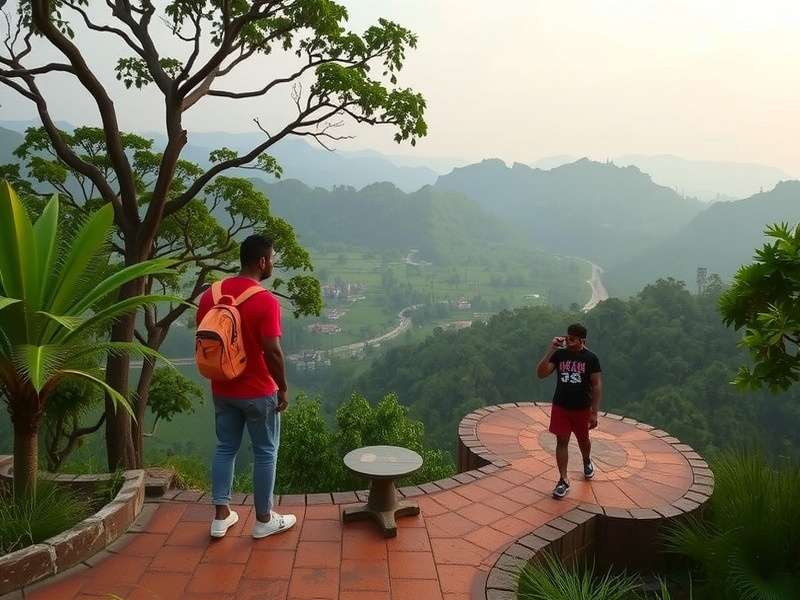
The open world of Ginger Blaze Trail is one of its biggest selling points. Spanning over 20 distinct regions—each inspired by a real-life location in India—the game’s world is vast, varied, and filled with secrets waiting to be discovered. From the snow-capped peaks of the Himalayas to the sun-kissed beaches of Goa, from the dense forests of the Northeast to the arid deserts of Rajasthan, every region has its own unique geography, climate, culture, and challenges.
Exploration is encouraged through a variety of means:
- Dynamic Day-Night Cycle: The game features a realistic day-night cycle that affects gameplay. For example, some NPCs are only available at night, while certain puzzles can only be solved during the day (using sunlight to reflect off mirrors). The night sky in the game is also accurate, with constellations visible from different regions of India.
- Weather System: The game has a dynamic weather system that includes rain, snow, fog, sandstorms, and thunderstorms. Weather affects gameplay—rain makes the ground slippery, reducing movement speed; snowstorms in the Himalayas reduce visibility; sandstorms in Rajasthan can disorient Ginger; and thunderstorms can trigger electrical puzzles.
- Hidden Secrets: Every region is filled with hidden paths, secret caves, underwater tunnels, and abandoned ruins that lead to rare artifacts, Desi Coins, and bonus content. For example, in the Western Ghats region, players can find a hidden waterfall that leads to a cave filled with ancient paintings; in the Lucknow region, a hidden alleyway leads to a chikankari workshop where Ginger can unlock a unique outfit.
- Fast Travel System: To make exploration easier, the game includes a fast travel system that allows players to teleport between unlocked checkpoints (like temples, villages, and landmarks). However, fast travel is limited in the early game, encouraging players to explore the world on foot, by boat, or on mounts (camels in Rajasthan, elephants in Kerala, horses in Uttarakhand).
- Detailed Map: The game features a detailed map that can be customized to show points of interest, collectibles, quest locations, and hidden secrets. Players can also mark their own waypoints to navigate to specific locations.
What makes the open world feel alive is the presence of dynamic NPCs who go about their daily lives. In Old Delhi, you’ll see vendors selling street food, children playing gilli-danda, and locals bargaining in the market. In Kerala, you’ll watch fishermen casting their nets, houseboat operators ferrying tourists, and women weaving coconut leaves. In Punjab, you’ll see farmers working in fields, bhangra dancers performing at weddings, and villagers celebrating festivals.
These NPCs aren’t just for show—many of them offer side quests, share stories about the region, or provide valuable information that helps Ginger on her quest. For example, a street vendor in Mumbai might tell Ginger about a hidden treasure in the city’s slums, while a priest in Varanasi might give her a clue about the location of an Amrit Shard. Some NPCs even have their own daily routines—they wake up in the morning, go to work, eat lunch, and return home at night—making the world feel more realistic.
Another unique feature of the open world is the Regional Events—time-limited events that take place in different regions based on real-life Indian festivals. For example, during Diwali, the Old Delhi region is decorated with rangoli and diyas, and players can participate in a diya-lighting contest to earn rewards; during Holi, the Mathura region hosts a color festival where players can engage in water balloon fights with NPCs; during Onam, the Kerala region features a snake boat race that players can join.
3.3 Puzzle-Solving Elements
Puzzle-solving is a core part of Ginger Blaze Trail’s gameplay, and the game features a wide variety of puzzles that draw inspiration from Indian mythology, history, culture, and traditions. Unlike many games where puzzles feel like a distraction from the main gameplay, the puzzles in Ginger Blaze Trail are integrated into the story and the world, making them feel meaningful and rewarding.
The puzzles are divided into several categories:
- Mythology-Based Puzzles: These puzzles are inspired by Hindu, Buddhist, Jain, and Sikh mythology. For example, in the Ayodhya region, players must solve a puzzle based on the Ramayana—arranging statues of Lord Rama, Sita, Lakshmana, and Hanuman in the correct order to unlock a hidden chamber. In the Bodh Gaya region, a puzzle based on Buddha’s life requires players to arrange events in chronological order. In the Golden Temple region, a puzzle based on Sikh teachings asks players to match verses from the Guru Granth Sahib with their meanings.
- Architecture-Based Puzzles: These puzzles are based on India’s rich architectural heritage. For example, in the Hampi region, players must manipulate the stones of a Vijayanagara temple to align with the sun during solstice, unlocking a passage. In the Jaipur region, a puzzle based on Hawa Mahal’s windows requires players to open and close windows in a specific pattern to reflect light onto a crystal. In the Ajanta Caves region, players must adjust mirrors to reflect sunlight onto ancient paintings, revealing hidden clues.
- Culture-Based Puzzles: These puzzles celebrate India’s diverse cultural traditions. For example, in the Tamil Nadu region, players must create a Kolam pattern using colored stones to unlock a temple door. In the Gujarat region, a puzzle based on Garba dance requires players to match dance moves to the rhythm of traditional music. In the Bengal region, players must paint an alpana design on the ground to appease a local deity and progress. In the Assam region, a puzzle based on Bihu dance asks players to tap on the screen in time with the music.
- Environmental Puzzles: These puzzles use the game’s environment to create challenges. For example, in the Kerala backwaters region, players must navigate a houseboat through a maze of canals, avoiding obstacles and using the current to their advantage. In the Rajasthan desert region, players must use sand dunes to hide from Kaal Pralay members and reach a hidden oasis. In the Western Ghats region, players must use vines to swing across valleys and reach a hidden temple.
Puzzles range in difficulty from easy to hard, ensuring that both casual and hardcore gamers can enjoy the game. For players who get stuck, the game offers hints that can be unlocked by spending Desi Coins or watching short rewarded ads. The hints are designed to guide the player without giving away the solution, encouraging them to think critically.
One of the most innovative aspects of the puzzle system is the Region-Specific Hints. If a player is stuck on a puzzle, they can ask a local NPC for help, and the hint will be tailored to the region’s culture. For example, if a player is stuck on a Kolam puzzle in Tamil Nadu, a local priest will give a hint based on Tamil traditions; if they’re stuck on a Garba puzzle in Gujarat, a local dancer will give a hint based on Gujarati culture. This not only helps players solve the puzzle but also teaches them about the region’s traditions.
3.4 Combat System (Light Action Elements)
While Ginger Blaze Trail is primarily an adventure and puzzle game, it does feature light combat elements that add excitement to the gameplay. The combat system is designed to be accessible to all players, with simple controls and no complex combos to master. Instead of focusing on violence, the combat emphasizes strategy, quick thinking, and the use of Ginger’s skills and the environment.
Ginger’s main opponents are members of Kaal Pralay, a shadowy organization led by the enigmatic “Kaal” who seeks to collect the Amrit Shards for evil purposes. Kaal Pralay members come in different types, each with their own strengths and weaknesses:
- Guards: Slow but heavily armored, guards carry shields and clubs. They can be defeated by stunning them with Ginger’s pickaxe or using the environment to trap them.
- Spies: Fast and agile, spies carry daggers and can sneak up on Ginger. They can be defeated by using Ginger’s compass to blind them with a flash of light or by using stealth to avoid detection.
- Mages: Powerful but slow, mages use dark magic to attack Ginger. They can be defeated by using Ginger’s cultural skills (like bhangra dance moves to disrupt their spells) or by using mirrors to reflect their magic back at them.
- Leaders: Boss characters who are more powerful than regular Kaal Pralay members. Each leader has a unique ability and requires a specific strategy to defeat. For example, the Rajasthan leader uses a camel-mounted bow and arrow, requiring Ginger to use sand dunes for cover; the Kerala leader uses water magic, requiring Ginger to use fire-based items to counter.
Combat is initiated when Ginger is detected by Kaal Pralay members. Players have three options: fight, flee, or sneak past. Fleeing is often a viable option, especially if Ginger is outnumbered or low on health. Sneaking past enemies earns extra Desi Coins and experience points, encouraging players to use stealth when possible.
If players choose to fight, they can use a variety of tools and skills to defeat their opponents:
- Pickaxe: Ginger’s primary tool, used for breaking obstacles and stunning enemies.
- Compass: A magical compass that can blind enemies with a flash of light or reveal hidden paths.
- Cultural Skills: Skills learned from different regions, like bhangra dance moves to stun enemies or Kolam patterns to trap them.
- Environment: Players can use the environment to their advantage—pushing crates onto enemies, luring them into traps, or using natural elements like fire, water, and sand to defeat them.
The game avoids graphic violence—enemies are knocked out rather than killed, and there’s no blood or gore. This makes the game suitable for players of all ages, including children. The combat system also rewards players for using non-violent methods, encouraging a strategic approach rather than brute force.
3.5 In-Game Economy and Progression
Ginger Blaze Trail features a simple but effective in-game economy that rewards players for exploration, puzzle-solving, and quest completion. The main currency is Desi Coins, which can be earned through a variety of activities:
- Completing main and side quests
- Solving puzzles
- Collecting artifacts and collectibles (ancient coins, regional handicrafts, street food items)
- Defeating Kaal Pralay members
- Participating in regional events and festivals
- Watching rewarded ads (optional)
Desi Coins can be used to purchase items from in-game shops:
- Cosmetic Items: Traditional outfits for Ginger, hairstyles, and accessories. These items don’t affect gameplay but allow players to customize Ginger’s look. Examples include a red saree from Banaras, a phiran from Kashmir, a lehenga choli from Rajasthan, a salwar kameez from Punjab, and a lungi from Tamil Nadu.
- Convenience Items: Fast travel tokens (allow instant travel between checkpoints), hint coins (unlock hints for puzzles), health packs (restore Ginger’s health), and inventory expansions (increase the number of items Ginger can carry).
- Tools and Upgrades: Upgrades to Ginger’s pickaxe (allow breaking stronger obstacles), compass (reveal more hidden paths), and cultural skills (make skills more powerful). For example, upgrading the pickaxe allows Ginger to break through stone walls, while upgrading the compass allows her to detect hidden artifacts.
- Festival Bundles: Limited-time bundles released during Indian festivals, including exclusive outfits, Desi Coins, and rare items. These bundles are priced affordably (₹25 to ₹75) and are available for 7-10 days.
The game also features a progression system that allows Ginger to level up as she earns experience points (XP). XP is earned by completing quests, solving puzzles, discovering new locations, and defeating enemies. Each time Ginger levels up, she unlocks new skills, abilities, and upgrades:
- Level 1-5: Unlocks basic skills like climbing and swimming.
- Level 6-10: Unlocks intermediate skills like pickaxe upgrades and basic cultural skills.
- Level 11-15: Unlocks advanced skills like fast travel and powerful cultural skills.
- Level 16-20: Unlocks master skills like stealth and boss-fighting abilities.
One of the most appealing aspects of the progression system is that it’s not pay-to-win. All skills, abilities, and story content can be unlocked by playing the game—no paywalls. Cosmetic items are purely optional, so players who don’t spend money can still enjoy the full gameplay experience.
The game also features a collectible system that encourages exploration. There are three types of collectibles:
- Ancient Coins: Scattered throughout the game world, these coins can be traded for Desi Coins.
- Regional Handicrafts: Unique items from each region (like chikankari embroidery from Lucknow, phulkari from Punjab, and stone carvings from Karnataka) that can be collected and displayed in Ginger’s virtual home.
- Street Food Items: Collectible food items from each region (like pani puri from Delhi, vada pav from Mumbai, dosa from Tamil Nadu, and luchi from Bengal) that restore Ginger’s health when used.
3.6 Offline Play and Accessibility Features
Ginger Blaze Trail was designed with the Indian market in mind, and this is evident in its offline play and accessibility features—two key factors that have contributed to its widespread popularity.
Offline Play: The game’s offline mode allows players to explore all regions, complete main and side quests, solve puzzles, and collect items without an internet connection. Only a few features require an internet connection:
- Multiplayer events (like team-based puzzle-solving contests)
- Leaderboards (comparing scores with other players)
- In-app purchases
- Social features (sharing progress on social media)
The offline mode is a game-changer for players in rural areas with poor internet connectivity, as it allows them to play the game anytime, anywhere. The game also supports low-data mode, which reduces data usage by 70% when an internet connection is available—making it more affordable for players with limited data plans.
“We know that many Indian gamers don’t have access to high-speed internet or unlimited data,” says Arjun Verma. “That’s why we made offline play a priority. We wanted to ensure that every gamer, regardless of their location or internet access, could enjoy Ginger Blaze Trail.”
Accessibility Features: Ginger Blaze Trail includes a range of accessibility features to make the game accessible to players with disabilities. These features were developed in consultation with disability rights organizations and gamers with disabilities:
- Adjustable Text Size: Players can increase the size of in-game text by up to 200%, making it easier for visually impaired players to read.
- Colorblind Mode: A special mode that adjusts the game’s colors to make it easier for colorblind players to distinguish between different elements. The mode supports all types of colorblindness (red-green, blue-yellow, and total colorblindness).
- Customizable Controls: Players can reposition the virtual joystick and buttons, adjust their size, and change their opacity to suit their preferences. This is especially helpful for players with motor disabilities.
- Voice Guidance: A voiceover that provides instructions, feedback, and descriptions of in-game elements for visually impaired players. The voiceover is available in all 8 localized languages.
- Reduced Motion Mode: An option to reduce the amount of screen movement, which helps players with motion sickness or vestibular disorders.
- Auto-Progress Mode: An option that allows the game to automatically progress through dialogue and cutscenes, which helps players with cognitive disabilities.
These accessibility features have been praised by gamers and disability advocates alike. “As a visually impaired gamer, I’ve always struggled to find mobile games that are accessible,” wrote one player in a review on the Google Play Store. “Ginger Blaze Trail’s voice guidance and adjustable text size make it easy for me to enjoy the game. It’s amazing to see a desi game that cares about inclusivity!”
3.7 Multiplayer Features
While Ginger Blaze Trail is primarily a single-player game, it does include limited multiplayer features that allow players to connect with friends and other gamers:
- Co-Op Puzzle Solving: Players can team up with up to 3 friends to solve special multiplayer puzzles that are more challenging than single-player puzzles. These puzzles require teamwork and communication, and they offer rare rewards like exclusive outfits and Desi Coins.
- Regional Events: During festivals, the game hosts multiplayer events like rangoli-making contests, snake boat races, and Garba dance-offs. Players can compete against each other or team up to win rewards.
- Leaderboards: Players can compete against each other on leaderboards for puzzle-solving speed, quest completion time, and collectible count. The top players each week receive exclusive rewards.
- Friend System: Players can add friends, send gifts (like Desi Coins and hint coins), and visit each other’s virtual homes